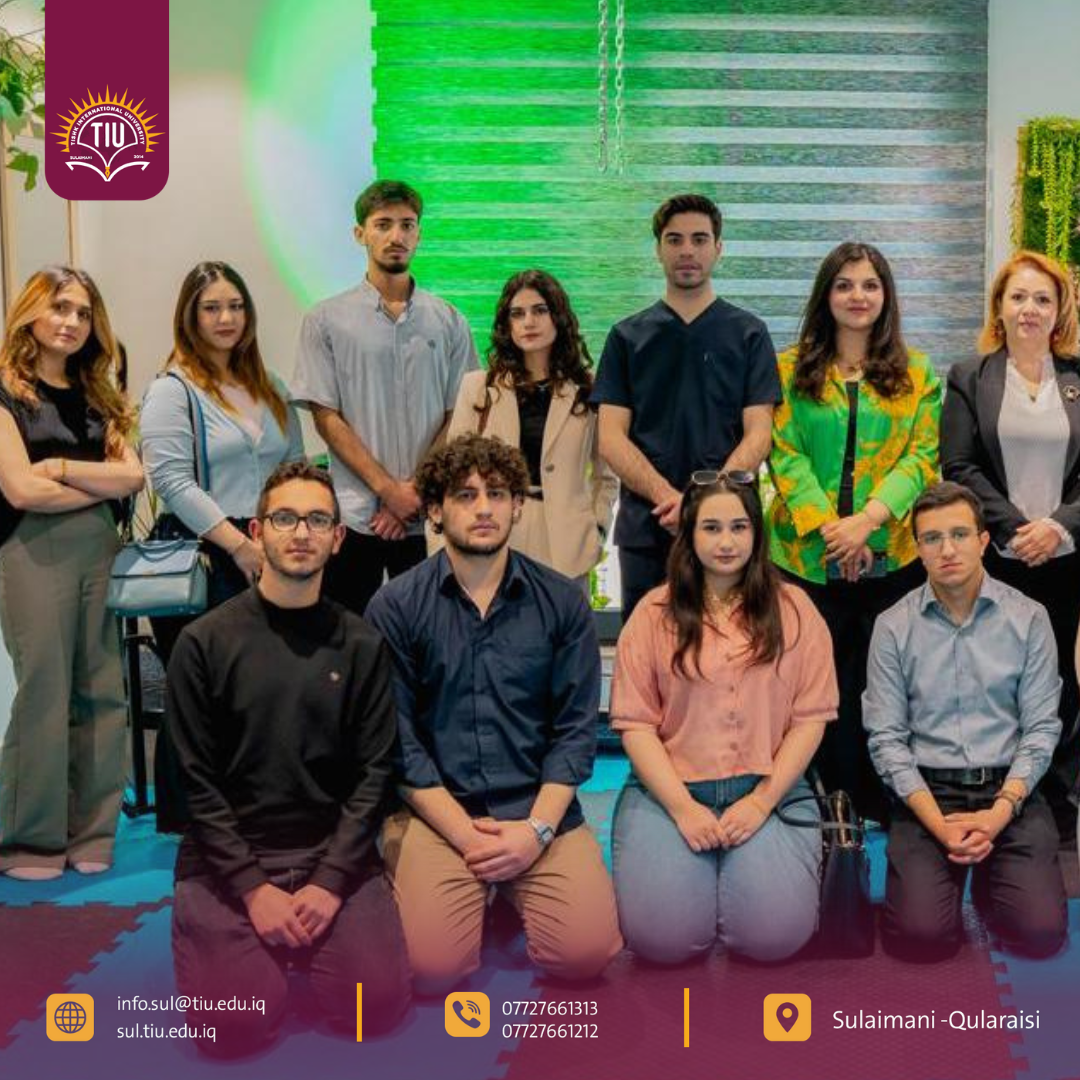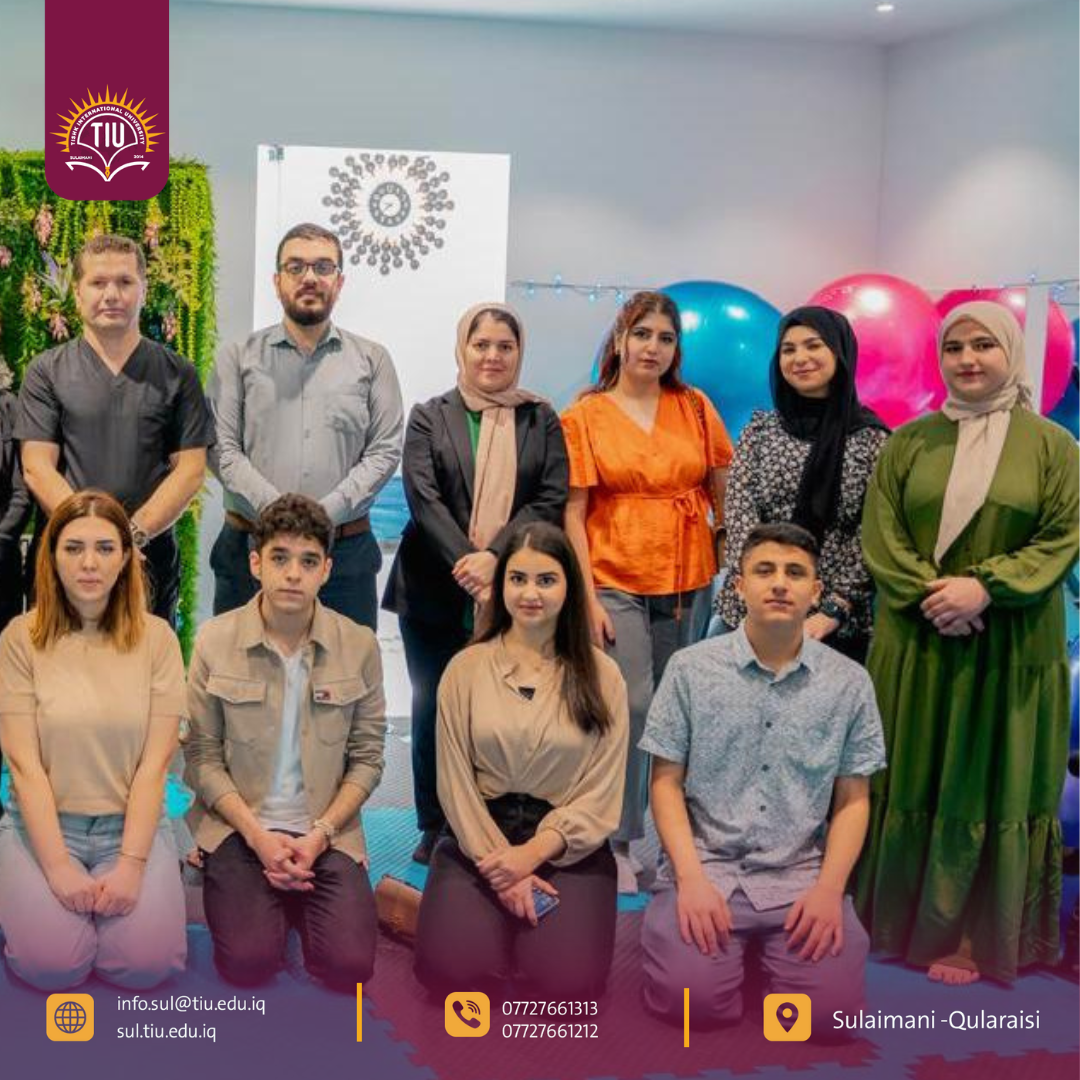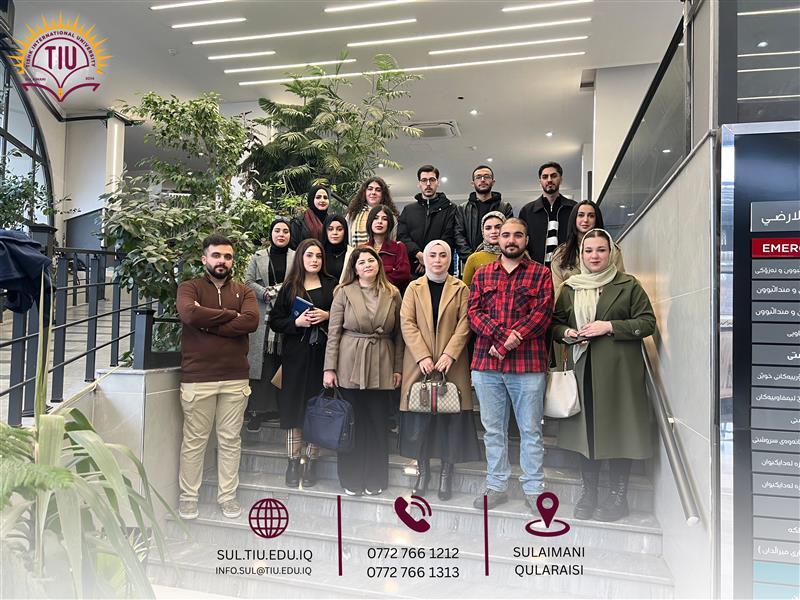
The Interior Design and Physiotherapy Departments at Tishk International University, in a successful collaboration with Sava Center, conducted a three-day community initiative in April 2025. Aligned with Sustainable Development Goal 3 (Good Health and Well-being) and Goal 17 (Partnerships for the Goals), the project emphasized the critical role of the built environment in supporting health-focused living and fostering interdisciplinary cooperation.
A Hands-On Interdisciplinary Approach
The initiative provided a unique, hands-on learning experience for students. Interior Design students performed a detailed physical analysis of the Sava Center, evaluating its spatial layout, accessibility, and overall user-friendliness for individuals undergoing physiotherapy. This allowed them to apply their classroom knowledge on inclusive and therapeutic design principles to a real-world setting.
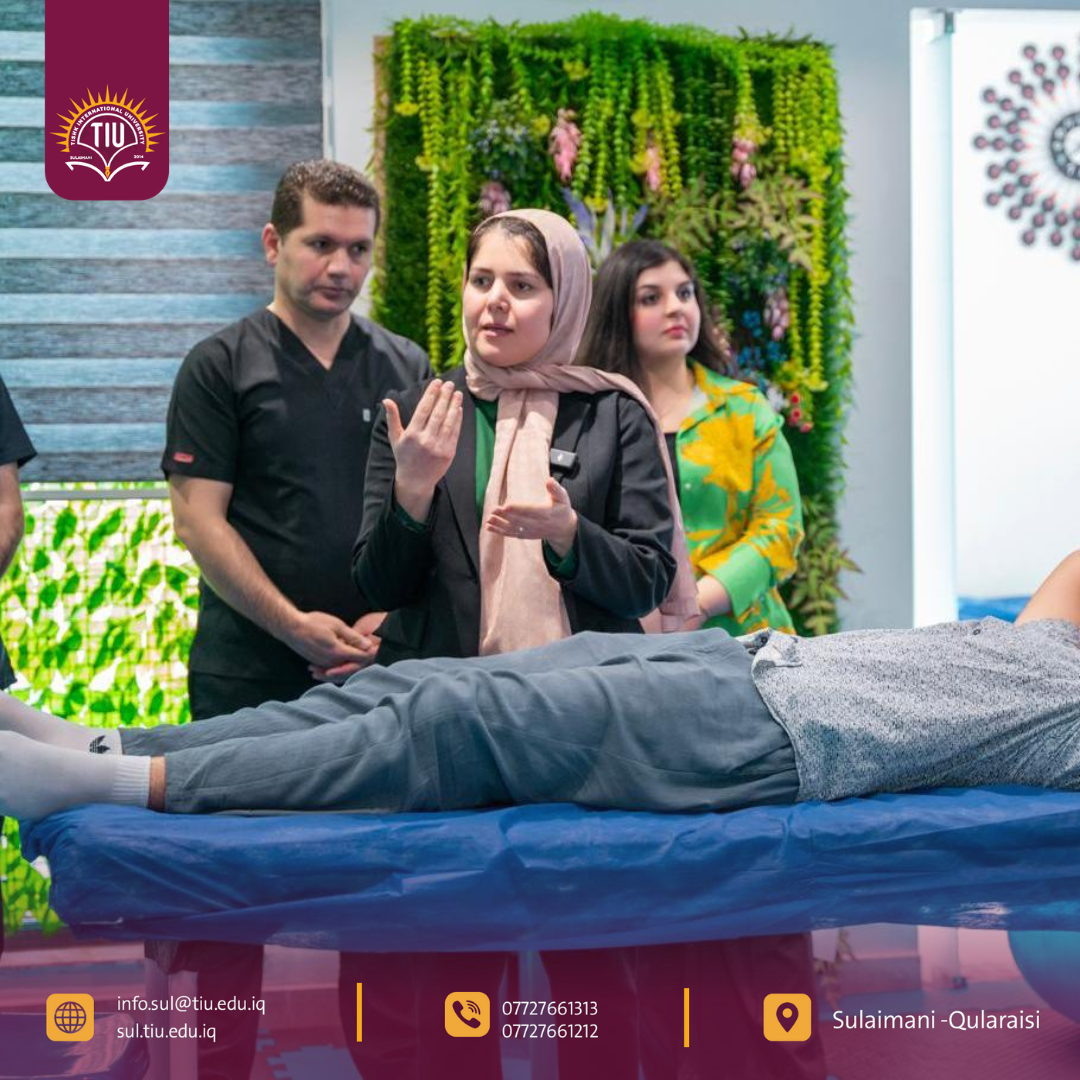
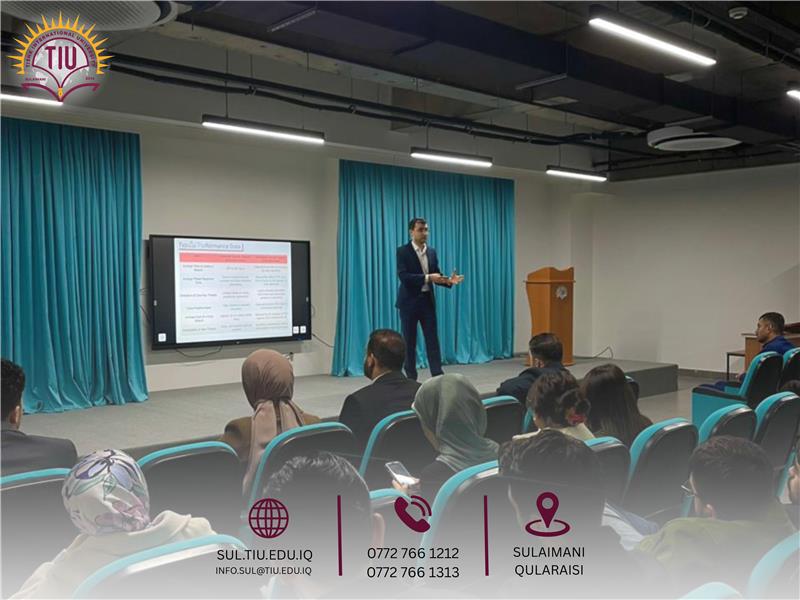
In a key interdepartmental exchange, the Interior Design students collaborated with Physiotherapy students, who provided valuable feedback on the spatial needs of both patients and healthcare professionals. This collaboration helped Interior Design students understand the practical demands of rehabilitation spaces, including the arrangement of equipment, circulation areas, and sensory considerations that support patient recovery. Experts from the Sava Center further enriched this experience with demonstrations on posture and patient care, highlighting how environmental design directly impacts physical well-being.
Shaping Healing Spaces with Empathy
By engaging with actual patients and receiving direct input on the functionality of the space, Interior Design students gained a deeper appreciation for designing with empathy and inclusivity. The initiative ultimately promoted a comprehensive understanding of how the built environment contributes to recovery and well-being, reinforcing the Interior Design department’s role in shaping spaces that are not only aesthetically pleasing but also healing and functional. The Physiotherapy department’s role in advocating for patient-centered care was also reinforced, demonstrating how spatial design directly influences rehabilitation outcomes and overall well-being.
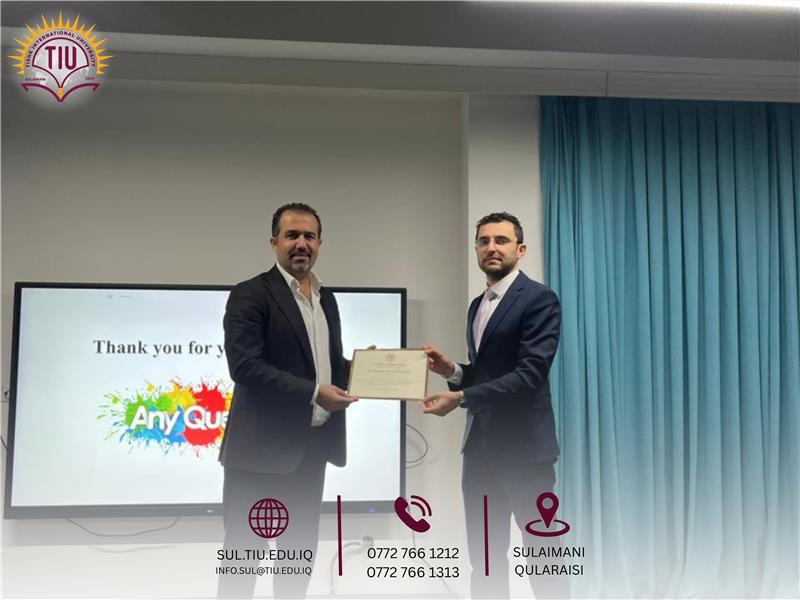
A special thanks to Mr. Soran, the owner of Sava Center, for his generous support and contribution to the success of this important community project.
Keywords: Interior Design, Physiotherapy, Sustainable Development Goals, SDG 3, SDG 17, Community Initiative, Therapeutic Design, Inclusive Design, Partnerships, Health and Well-being, Sava Center