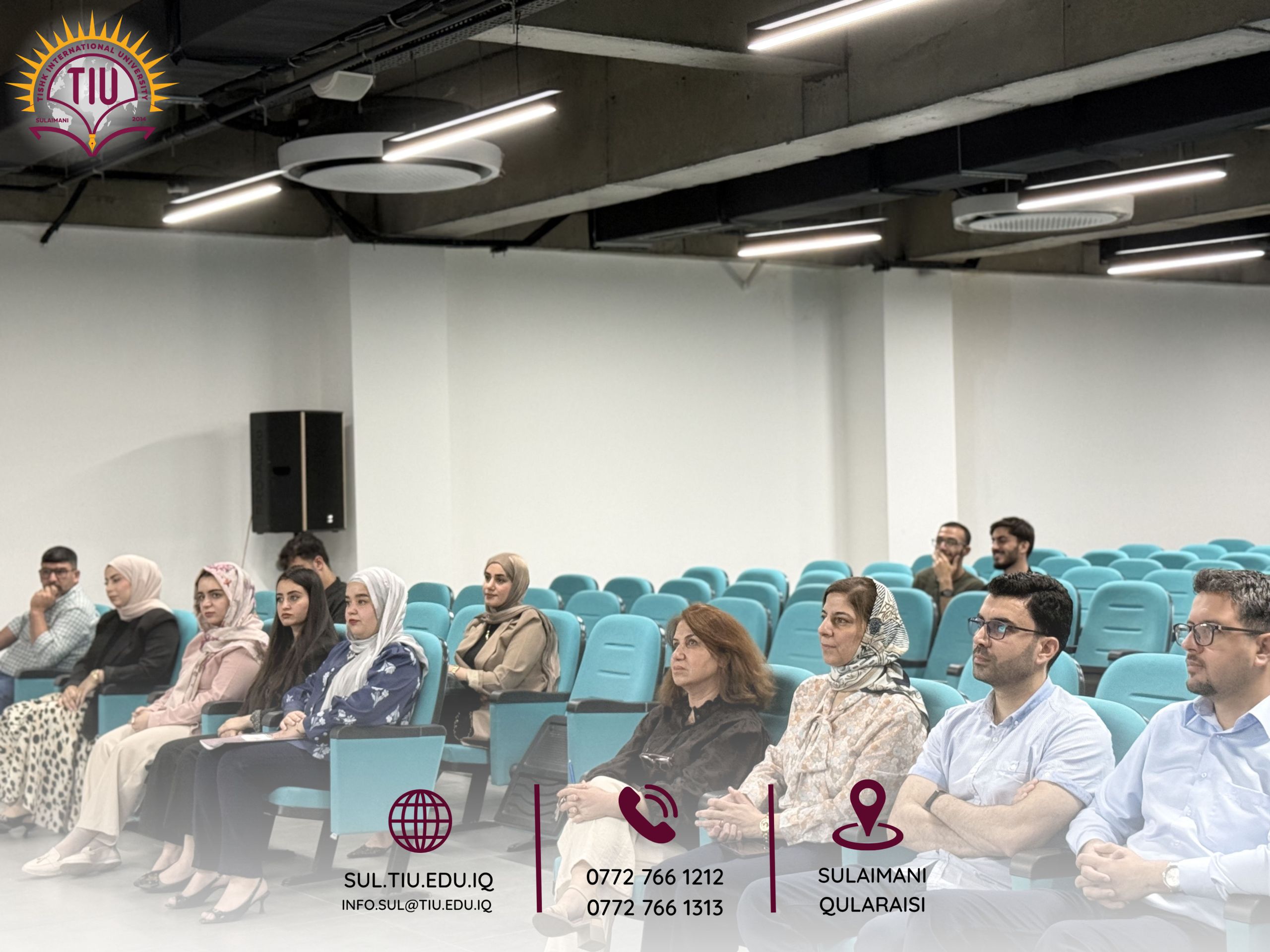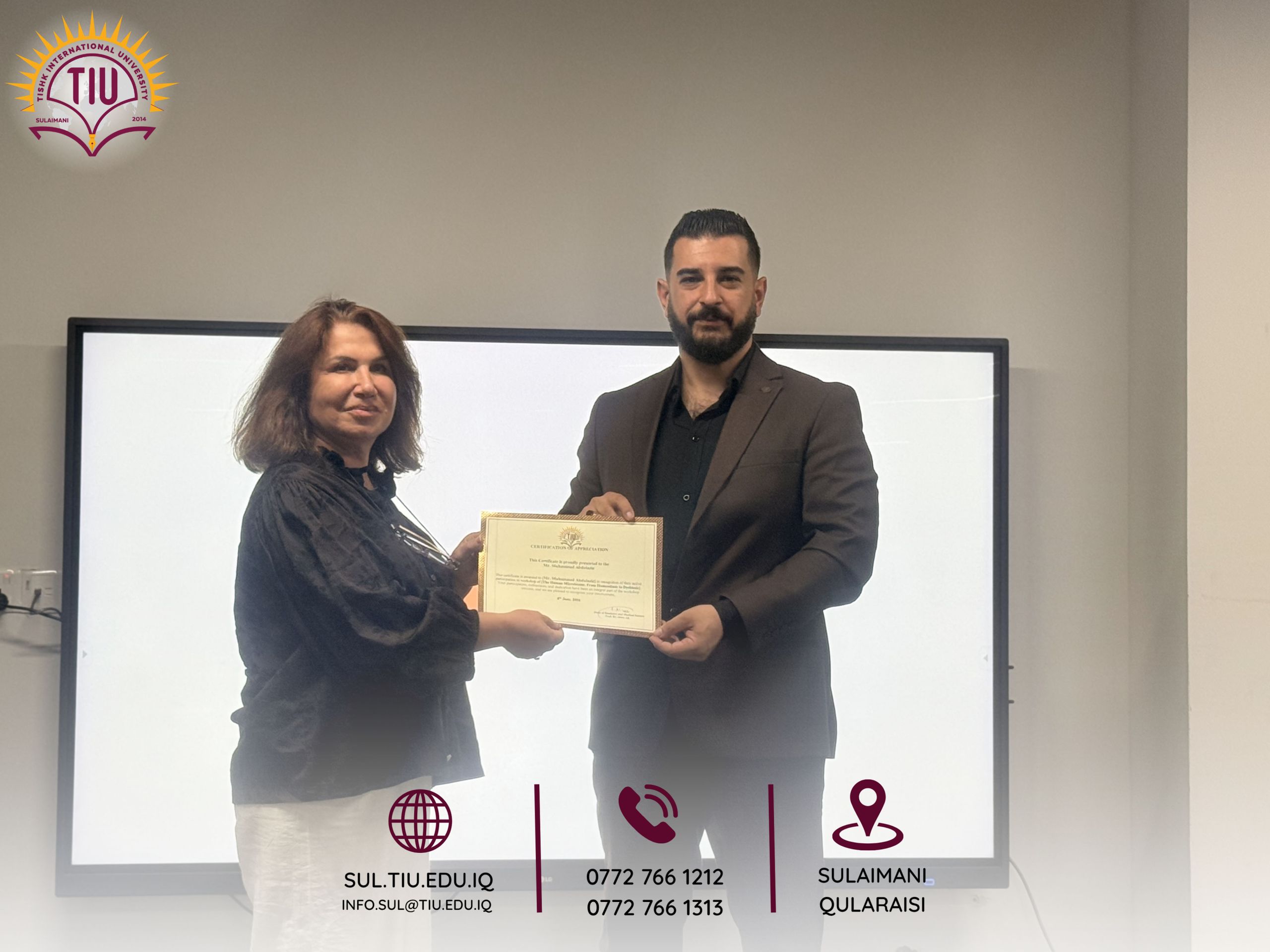
On Monday, June 8, 2026, a national workshop titled “The Gut Microbiome: From Homeostasis to Dysbiosis” was successfully held, bringing together experts and participants interested in emerging insights into human microbiome research.
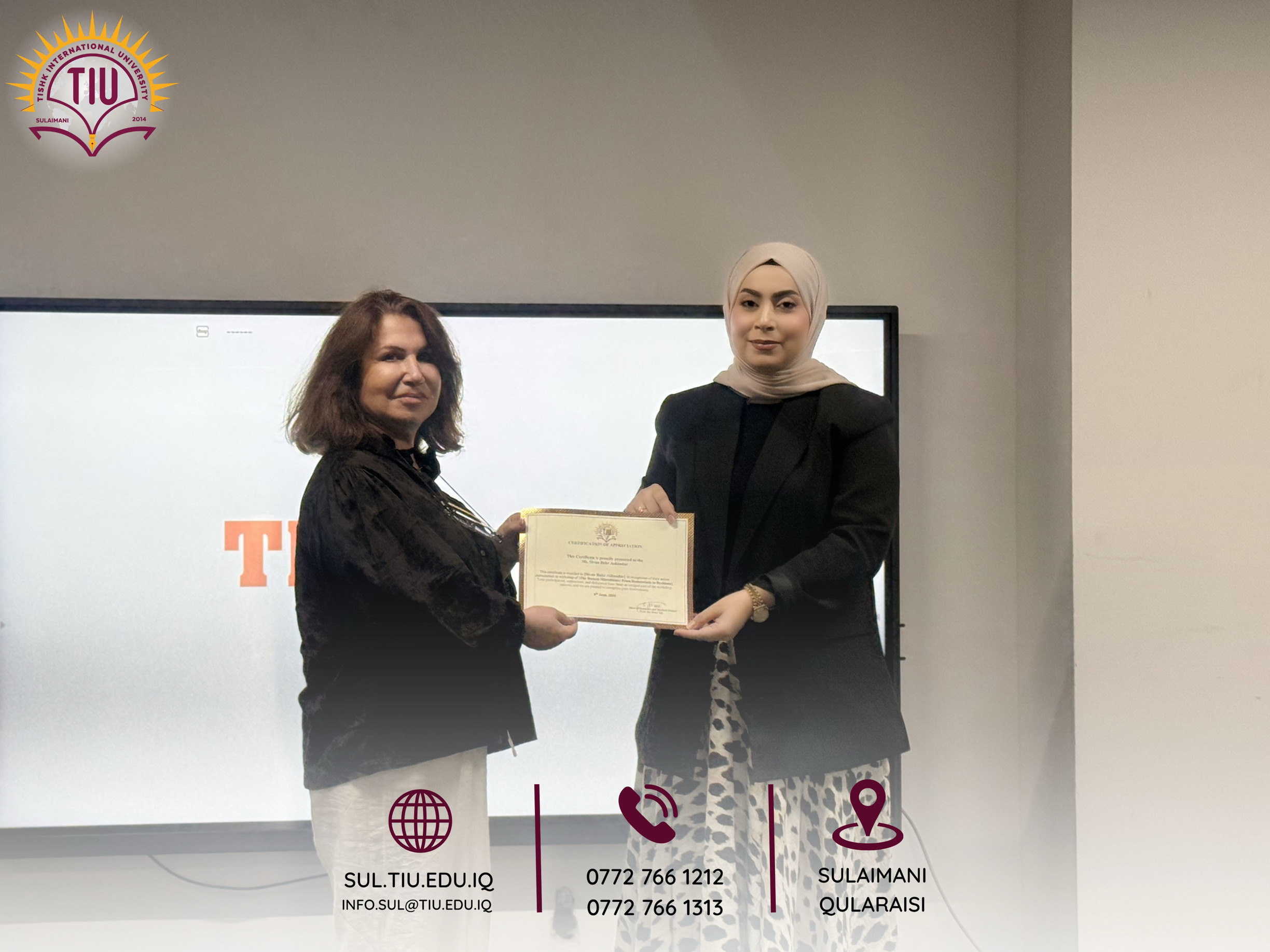
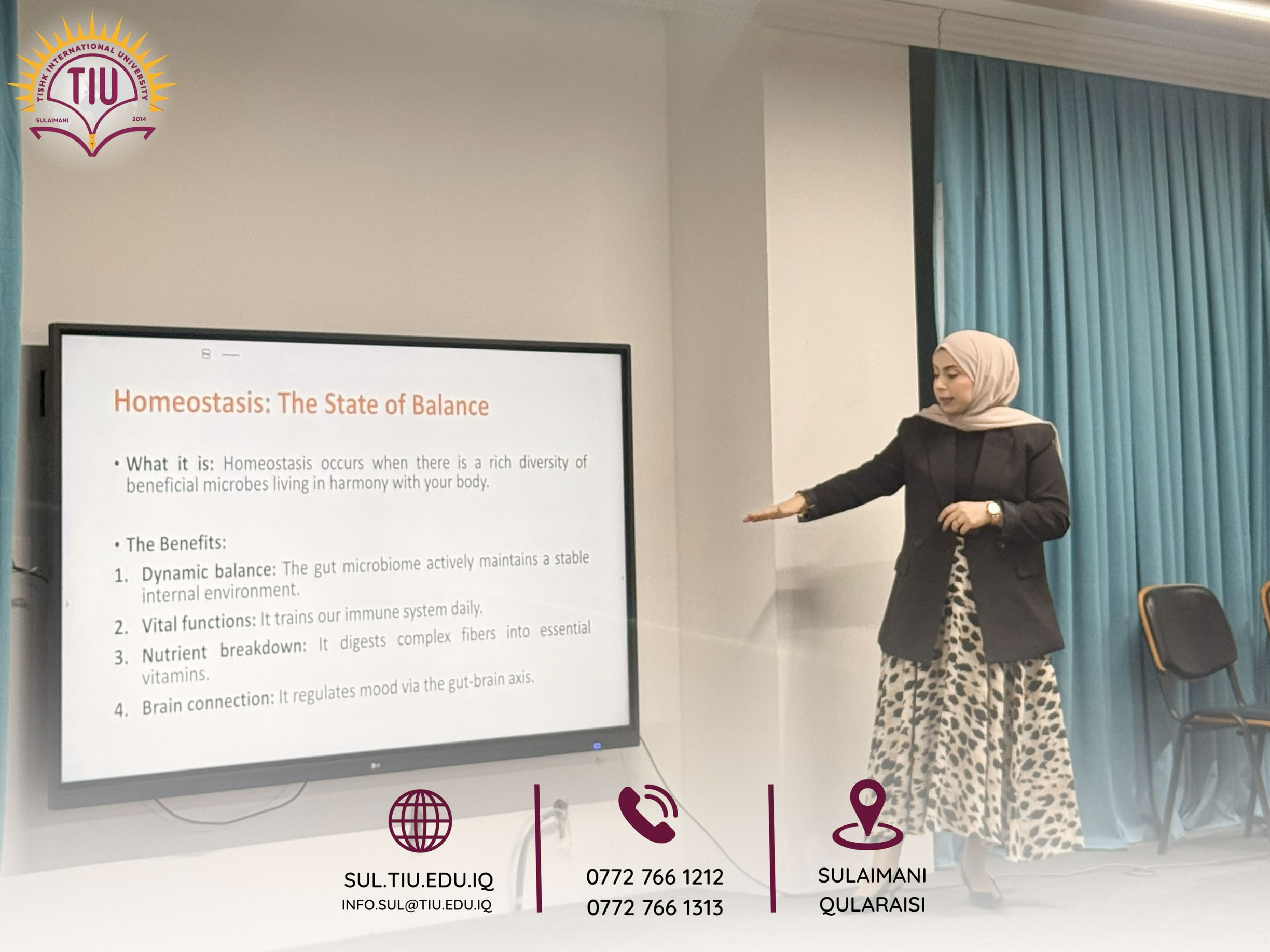
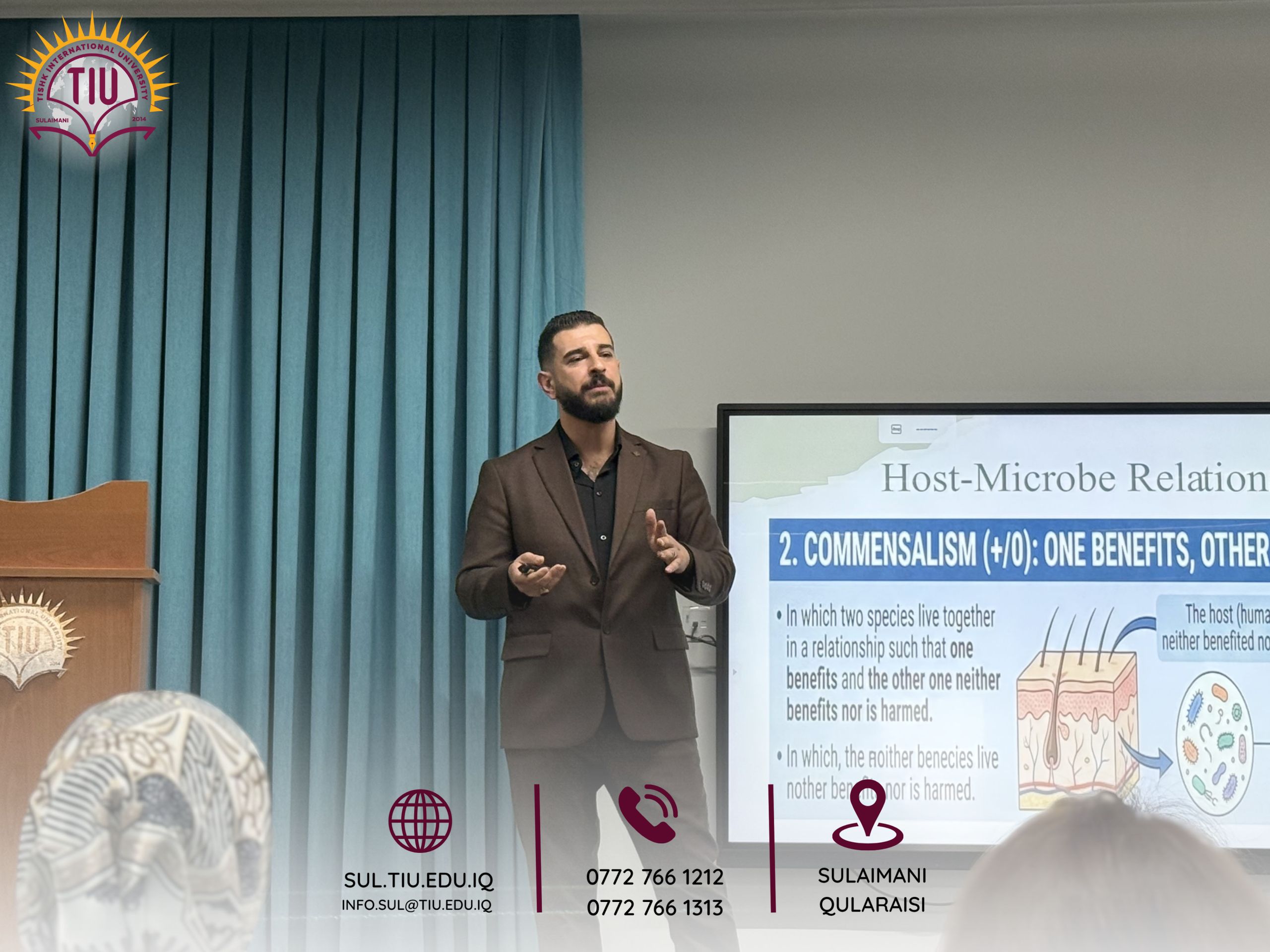
The workshop featured distinguished speakers, including Mr. Muhammad Abdülaziz from the University of Sulaimania and Ms. Sivan Bakr from Tishk International University (TIUS), who shared their expertise on the critical role of the gut microbiota in human health and disease.
During the sessions, the speakers emphasized that the human microbiome is a highly complex community of microorganisms inhabiting various parts of the body. These microorganisms play essential roles in maintaining metabolic processes, supporting the immune system, and protecting the body against harmful pathogens. Special attention was given to the gut microbiota, which consists of trillions of microorganisms residing in the gastrointestinal tract and contributing significantly to digestion, nutrient metabolism, and immune regulation.
The workshop further highlighted the importance of maintaining a balanced gut microbiota, known as homeostasis, for overall health. Disruptions to this balance—referred to as dysbiosis—were discussed as a major contributing factor to a range of health conditions. These include inflammatory bowel disease (IBD), obesity, type 2 diabetes, colorectal cancer, and various autoimmune and allergic disorders.
Participants engaged in informative discussions and gained valuable insights into how advances in microbiome research are opening new avenues for prevention, diagnosis, and treatment of diseases linked to gut health. The event underscored the growing importance of microbiome science in modern medicine and the need for continued research and collaboration in this field.